When a young person faces a serious felony, Florida's Youthful Offender Act may provide a sentencing option outside the ordinary adult framework, one that can cap the sentence at six years and, in some cases, open a path around a mandatory minimum. Eligibility generally turns on whether the qualifying felony was committed before the defendant turned 21, whether the case is being resolved in adult court, the person's prior youthful-offender status, and the classification of the offense. A youthful-offender disposition is discretionary rather than automatic and must be evaluated against the specific charge and sentencing law.
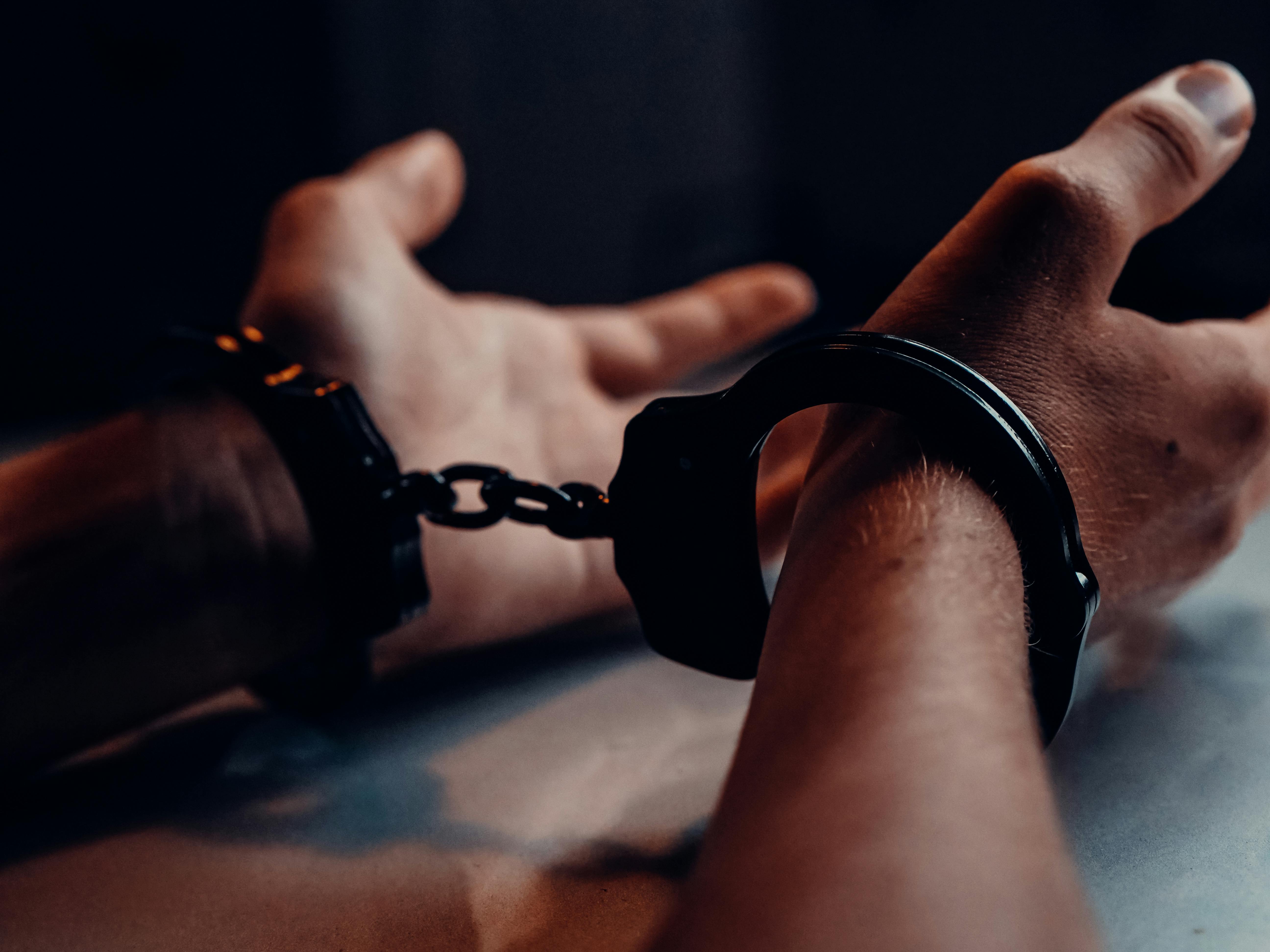
What the Youthful Offender Act Does
Florida's Youthful Offender Act is found in Chapter 958 of the Florida Statutes. It gives a sentencing court the option to treat a qualifying young defendant differently from an adult being sentenced under the standard guidelines. The central benefit is a cap: a youthful offender sentence generally cannot exceed six years total, counting any combination of incarceration and supervision.
That cap matters most in cases where the normal exposure is much higher. A young person facing a felony that could otherwise carry many years in prison may, as a youthful offender, be looking at a maximum of six years and often far less, with access to programs designed for younger defendants.
Who Qualifies
Eligibility is defined by statute, and the specifics of a case have to be checked against it, but the core requirements are:
- The offense was a felony committed before the defendant turned 21.
- The defendant is being sentenced as an adult, either because they are 18 or older or because their case was transferred from juvenile court.
- The defendant has not previously been classified as a youthful offender.
- The offense is not a capital or life felony, which are excluded from youthful offender sentencing.
Meeting the criteria makes someone eligible. It does not make the sentence automatic. In most cases a judge decides whether to impose a youthful offender sentence, which is why it has to be actively requested and supported.
The Path Around Some Mandatory Minimums
This is one of the most important features. Ordinarily, a mandatory minimum sentence, such as one triggered by a firearm, ties a judge's hands. In some situations, a youthful offender sentence can be imposed even where a mandatory minimum would otherwise apply, giving the court flexibility it would not normally have. Whether that is possible depends on the specific charge and the current state of the law, so it has to be evaluated carefully. But for a young defendant staring at a mandatory minimum, it can be the single most valuable option on the table.
It is worth understanding how this fits with normal sentencing. For most adult felonies, the floor is set by the Criminal Punishment Code scoresheet, and going beneath it requires a downward departure. Youthful offender sentencing is a separate track that can produce a result below what the guidelines would otherwise demand.
What a Youthful Offender Sentence Can Look Like
Within the six-year cap, a youthful offender sentence can be structured in different ways: probation or community supervision, a period in a county facility, a term with the Department of Corrections, or a combination. Florida also offers youthful offender programs geared toward rehabilitation, including structured basic training style programs for some defendants. The goal of the framework is to hold a young person accountable while leaving room for them to move forward with their life.
Why It Has to Be Pursued Deliberately
Because youthful offender treatment is usually discretionary, it is not something that happens on its own. It has to be raised, argued, and supported with the facts that make it appropriate, the defendant's age, background, role in the offense, and potential for rehabilitation. Prosecutors may resist it in serious cases. The judge has to be persuaded that this young person is exactly who the Youthful Offender Act was designed for.
If someone in your family is young and facing a felony in Florida, the time to explore youthful offender sentencing is early, before decisions get locked in. This article is general information about how the law works and is not advice about any specific case.
Is a young family member facing a felony?
Youthful offender sentencing has to be requested and justified. If it is a realistic option in the case, it is worth pursuing early and deliberately.
Last reviewed: August 2026