A text message, a drive past the wrong address, or an unexpected encounter can turn into a new criminal accusation when an injunction is in place. The first question is not whether the contact seemed harmless. It is what the written order prohibited, what the State can prove, and whether the alleged conduct was willful. Do not contact the protected person to explain. That can make the situation worse.
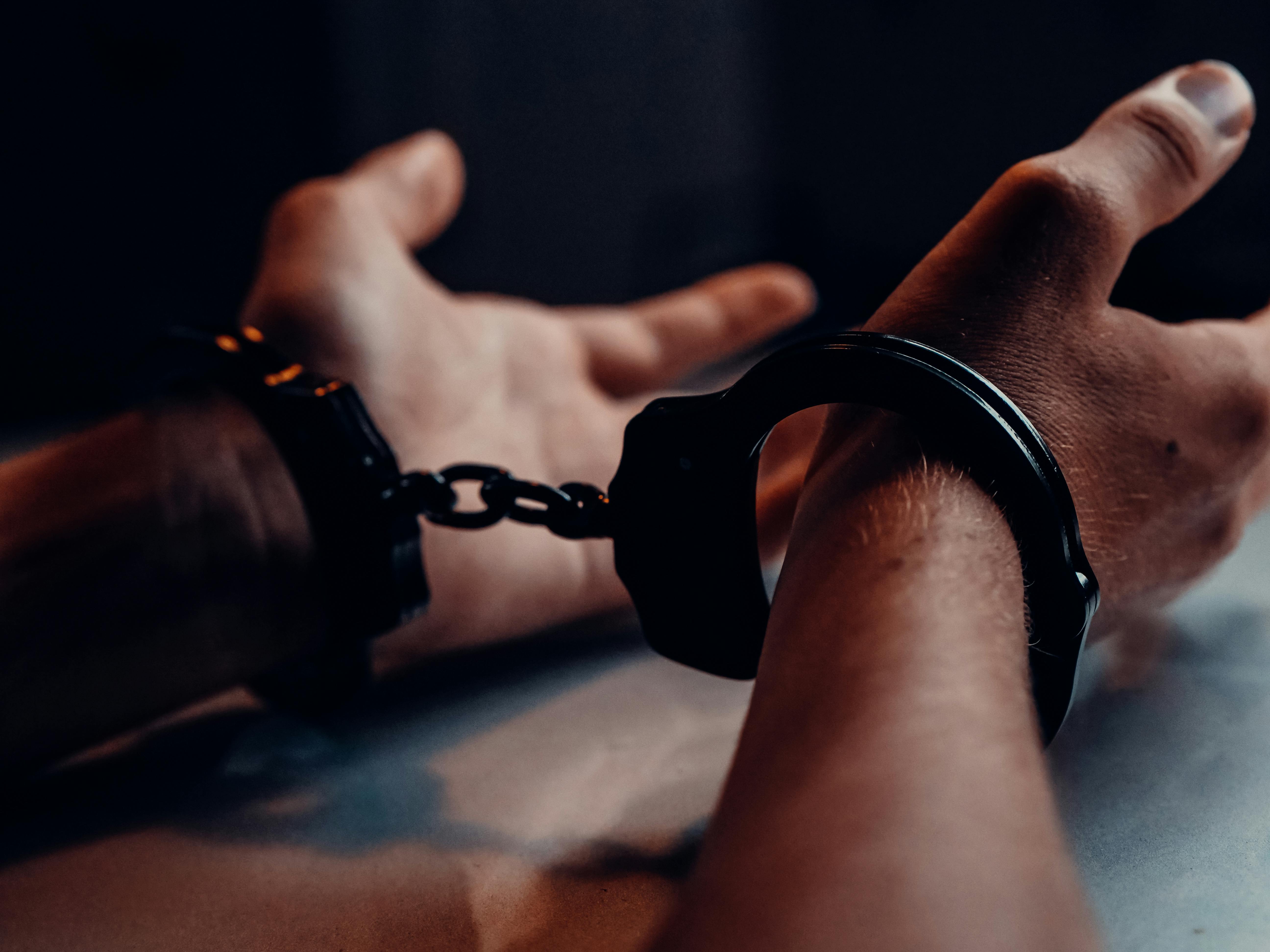
A Violation Can Become a Separate Criminal Case
An injunction is issued in civil court, but an alleged violation can lead to arrest and criminal prosecution. Under Florida law, a willful violation of a domestic violence injunction can be charged as a first degree misdemeanor. That offense carries up to one year in jail. A later violation can become a third degree felony when the statutory requirements involving prior convictions and the same protected person are met.
Other injunctions, including those involving dating violence, sexual violence, repeat violence, and stalking, have their own enforcement statutes. The first step is to identify the exact order and charge rather than assume every injunction case is the same.
What Conduct Can Violate the Order?
The answer is written in the injunction. A typical order may prohibit direct and indirect communication, entry into a residence, presence near a workplace or school, contact through another person, or possession of firearms and ammunition. Conduct that may create an allegation includes:
- Calling, texting, emailing, or sending a direct message
- Using a friend or relative to pass along a message
- Going to a prohibited home, workplace, school, or regular location
- Remaining near the protected person's vehicle
- Sending gifts, money, or messages through an application
- Refusing to leave a shared residence when the order requires it
- Keeping firearms or ammunition when surrender is required
A peaceful message can still violate a no contact provision. The State does not have to prove that the message contained a threat when the prohibited act is the contact itself.
What If the Protected Person Contacted You First?
The injunction binds the respondent, not the protected person. An invitation, apology, or request to meet does not change the court order. Only a judge can modify or dissolve it. Replying to the message or accepting the invitation can still create an allegation against the respondent.
Save the incoming communication. Do not delete it, edit it, or answer it. The message may be important evidence of context, but it is not permission to resume contact.
What If the Encounter Was Accidental?
Florida's statute requires a willful violation. Accidentally seeing the protected person in a store is not the same as intentionally going there to find them. What happens next matters. Leaving promptly, avoiding communication, and documenting the circumstances can support the defense. Following the person, arguing, or remaining nearby may allow the State to claim the encounter became intentional.
How These Cases Are Reported
Police may arrest when they have probable cause to believe a criminal violation occurred. When no arrest is made at the scene, the protected person may submit an affidavit through the clerk or the designated intake office. The matter can then be reviewed for prosecution or contempt proceedings. A delayed arrest or notice to appear is possible even when officers did not take anyone into custody on the day of the alleged conduct.
Evidence the State May Use
These cases often depend on digital and location evidence. Prosecutors may rely on screenshots, call records, security video, doorbell footage, witness statements, vehicle records, social media activity, and location information from a phone. The State must also establish that the defendant knew about the injunction and acted willfully.
Screenshots can be incomplete. A social media account may be shared or accessed by someone else. Location evidence may show proximity without proving intent. Each item should be examined in its original context rather than accepted at face value.
Possible Defenses
The available defense depends on the language of the order and the alleged act. Common issues include lack of proper notice, mistaken identity, insufficient proof that the defendant sent a message, accidental presence, conduct that the order did not prohibit, and lack of willfulness. Evidence may also have been obtained through an unlawful search or presented without enough foundation to prove it is authentic.
Can the Protected Person Drop the Charge?
No private person controls a criminal prosecution after the State files it. The protected person's position may be considered, but the prosecutor decides whether to continue. The injunction also remains in effect unless a judge changes it. Trying to persuade the protected person to withdraw the report can produce another allegation of direct or indirect contact.
What to Do Immediately
- Read every page of the injunction and follow it exactly
- Do not contact the protected person directly or through anyone else
- Save messages, call logs, video, receipts, and location information
- Write down what happened while the details are fresh
- Do not post about the accusation on social media
- Do not give a detailed statement before obtaining legal advice
If the order is impractical or no longer necessary, the solution is a motion filed with the court. It is not a private agreement to ignore the order. We explain the distinction between civil injunctions and criminal court restrictions in our article about no contact orders and injunctions in Florida.
Frequently Asked Questions
Can I be arrested for violating an injunction in Florida?
Yes. Police may arrest when they have probable cause to believe a willful criminal violation occurred. A case can also begin after the protected person submits an affidavit when no immediate arrest was made.
Is it a violation if the protected person contacted me first?
It can be. The protected person cannot give permission to ignore the injunction. Only the court can change the order, so responding may still violate a no contact provision.
What if I saw the protected person by accident?
An accidental encounter is different from a willful violation. Leaving promptly and preserving proof of why you were there can be important. The full circumstances must be reviewed.
Can the protected person drop an injunction violation charge?
The prosecutor controls the criminal case. The protected person's wishes may be considered, but they do not automatically end the charge or dissolve the injunction.
How can an injunction be changed?
A party must ask the issuing court to modify or dissolve the order. Until a judge signs a new order, the existing restrictions remain in effect.
Accused of violating an injunction?
Do not try to resolve it through the protected person. Let us review the order and the evidence first.
Last reviewed: August 30, 2026