In most criminal cases, talking to the police without a lawyer is a mistake. People often think honesty alone will protect them, but investigations are not neutral conversations. They are built to collect evidence, test your story, and lock in statements the state can use later.
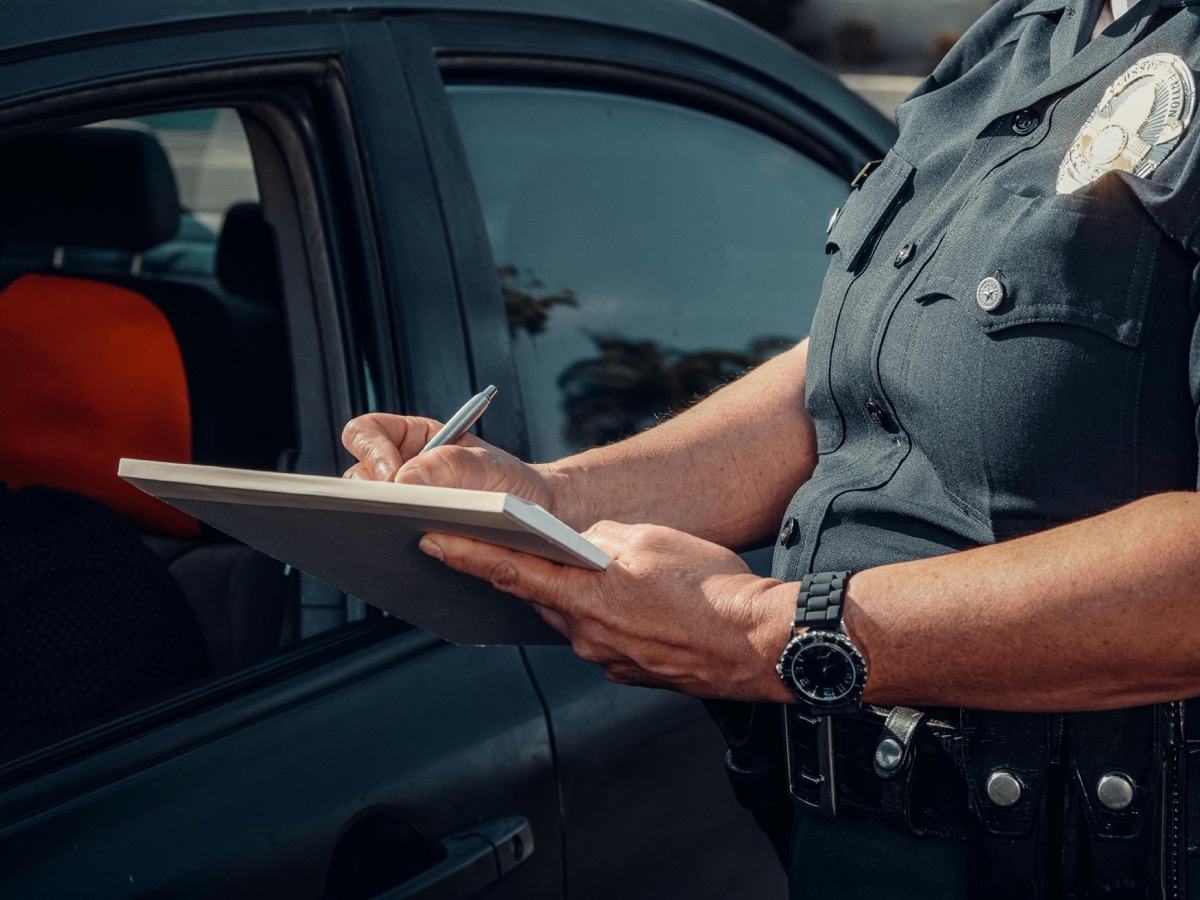
Why People Talk Anyway
People talk because they are scared, want to seem cooperative, or believe the truth will sort everything out. Others assume that asking for a lawyer makes them look guilty. None of that changes the legal reality: police are allowed to question you in ways designed to expose inconsistencies, admissions, and details they can later frame against you.
Your Right to Remain Silent Exists for a Reason
You do not have to answer investigative questions. That right applies whether you are under arrest, being detained, or simply being “asked to come in and clear things up.” If the conversation could expose you to criminal risk, silence is often the safest choice.
The cleanest response is: “I want to remain silent. I want a lawyer.” Then stop talking about the facts.
Common Ways Statements Hurt a Case
- Small inconsistencies are used to attack credibility later
- Attempts to explain can sound like admissions
- Guesses get treated like facts
- People minimize conduct in ways that still satisfy elements of an offense
- Officers may remember the most damaging version of what was said
Even Innocent People Can Be Hurt by Talking
Innocence does not protect someone from giving a damaging statement. A person can be innocent and still misremember timing, names, locations, or exact wording. Under stress, people often fill in blanks or agree with assumptions just to keep the conversation moving.
What if Police Say They Just Want Your Side?
That phrase is common because it works. If police already suspect you, they are rarely asking for your side simply to be fair. More often, they are trying to compare your version against other evidence, test for contradictions, or obtain admissions they do not already have.
Can You Refuse Politely?
Yes. You do not need to be rude or argumentative. You can be respectful and still protect yourself.
- Ask if you are free to leave
- If you are not free to leave, say you are invoking your right to remain silent
- Ask for a lawyer and stop discussing the facts
What About Phone Calls From Detectives?
A request to “come by,” “clear something up,” or “answer a few questions” should be treated seriously. If police truly have no interest in charging you, they usually do not need a voluntary statement. These contacts often mean you are already part of an investigation.
Get Legal Assessment Before Any Interview
Let a lawyer assess the situation first. Sometimes the right answer is silence. Sometimes counsel can communicate with law enforcement without putting you at risk. Sometimes early intervention changes where the case goes entirely.
Asked to give a statement or come in to talk?
That is usually the moment to get legal advice first, not the moment to hope talking will make the case disappear.