A Florida reckless-driving citation is a criminal charge, not a ticket that should simply be paid. The State must prove willful or wanton disregard for safety, not merely imperfect or careless driving. Preserve the citation, any video, and the details of the stop before deciding how to respond.
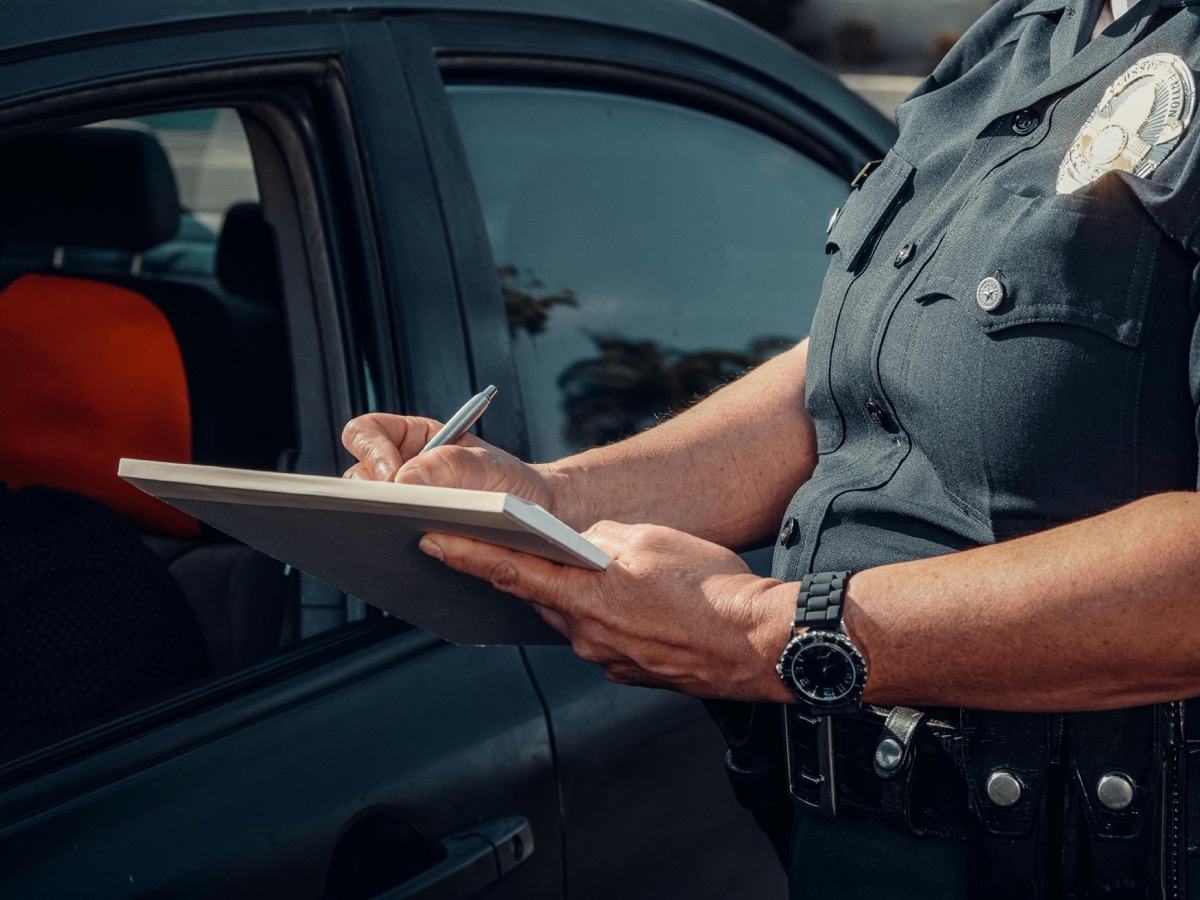
What Should You Do After Receiving the Citation?
- Read the citation for the statute number, court date, and appearance instructions.
- Save dashcam video before it is overwritten and identify nearby businesses or homes that may have recorded the roadway.
- Write down traffic, weather, speed, lane position, passengers, and everything the officer said.
- Do not post a video or explanation online or contact witnesses to coordinate accounts.
What Must the State Prove?
Section 316.192 defines reckless driving as driving with willful or wanton disregard for the safety of persons or property. That requires more than showing an ordinary mistake. Fleeing a law-enforcement officer in a motor vehicle is treated as reckless driving by the statute, but other cases require close review of the alleged conduct and surrounding circumstances.
Is Speeding Automatically Reckless Driving?
No single fact should be treated as an automatic answer. Speed may be important, especially when combined with traffic, pedestrians, weaving, racing, or near collisions, but the full conduct and claimed risk matter. Video may support the officer, contradict the report, or show conduct closer to careless driving than criminal recklessness.
What Evidence Can Change the Case?
- Body-camera, dash-camera, traffic-camera, or private surveillance video
- CAD records, dispatch audio, and the officer's report
- Vehicle data, photographs, road layout, weather, and visibility
- Independent witnesses and evidence explaining an emergency or mechanical problem
What Are the Possible Consequences?
A first conviction can carry up to 90 days in jail and a fine between $25 and $500. A second or later conviction can carry up to six months in jail and a fine between $50 and $1,000. Crashes involving property damage, serious bodily injury, or controlled substances can change the exposure. The actual outcome depends on the charge, facts, history, and court.
How Can a Lawyer Help?
Counsel can obtain evidence, compare the report with objective recordings, evaluate whether the alleged conduct meets the statutory standard, and address court appearances and negotiations. Depending on the evidence, the defense may challenge the charge, seek a noncriminal resolution, negotiate another disposition, or prepare for trial. No reduction or dismissal is automatic.
Reckless Driving FAQ
Can I just pay the citation?
Treating it like an ordinary payable ticket can create serious consequences. Confirm whether appearance is required and obtain advice before entering a plea.
Will I have to appear in court?
Criminal traffic cases use different procedures from routine civil infractions. The citation and court docket should be reviewed promptly to determine what is required and whether counsel may appear for you.
Can the charge be reduced?
A reduction may be negotiated in some cases, but it depends on the evidence, driving history, prosecutor, court, and available lawful resolutions. It should never be promised.
This article provides general information about Florida law and is not legal advice for a particular case.
Charged with reckless driving instead of getting a normal ticket?
That distinction matters because criminal traffic charges can affect your record, court exposure, and license situation very differently.
Last reviewed: August 10, 2026