An insurer may point to a small repair estimate or photographs showing limited exterior damage and argue that the crash could not have caused an injury. Vehicle damage and injury are related evidence, but they are not the same question. The claim turns on the complete facts: the forces and positions involved, the person’s condition before and after, the timing of symptoms, medical findings, and whether the treatment and complaints are consistent.
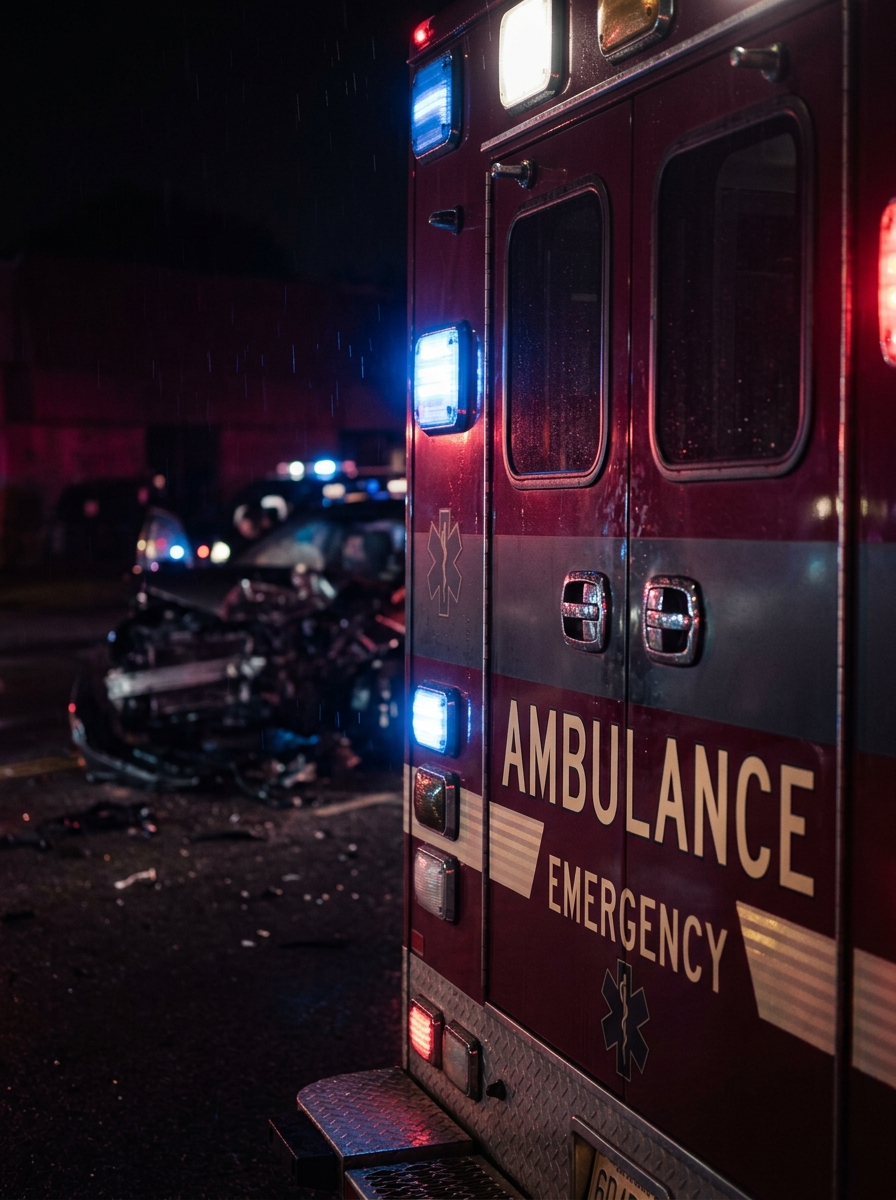
What Is the “Low-Impact” Defense?
It is an argument that limited visible property damage suggests insufficient force to cause the injuries claimed. Adjusters may use photographs, repair estimates, bumper condition, delayed treatment, or prior medical history to reduce or deny a claim.
The phrase is not a medical diagnosis and does not automatically decide causation. A claimant still must prove that the crash caused or aggravated an injury, while the insurer may test the reliability of that proof.
Why Exterior Damage Does Not Tell the Whole Story
Modern bumpers and vehicle structures can respond differently depending on angle, overlap, height, speed change, vehicle mass, braking, seat position, and whether the occupant anticipated impact. Photos may omit damage behind a bumper cover or show only one vehicle.
Avoid making a universal claim that every small collision causes injury. The correct question is what happened to this person in this crash, supported by competent medical and factual evidence.
What Evidence Can Strengthen Causation?
- Prompt, accurate medical history describing onset and progression
- Pre-crash records that fairly document prior symptoms and function
- Diagnostic findings and treating-provider opinions
- Photos of all vehicles, contact points, interiors, and scene
- Repair estimates, supplements, measurements, and salvage photographs
- Event data or expert analysis when justified by the dispute
- Witness accounts of the impact and immediate condition
What If Pain Appeared Later?
Symptoms do not always become fully apparent at the scene. But delays create questions the insurer will examine. Document when symptoms began, how they changed, why care was delayed, and what activities became difficult. Do not exaggerate or adopt a timeline that the records contradict.
For Florida PIP benefits, the statutory 14-day treatment requirement is a separate issue from whether a negligence claim exists. Missing that window may affect PIP benefits even when another claim remains possible.
What If You Had a Prior Injury?
A preexisting condition does not automatically defeat a claim. The issue may be whether the crash aggravated it or caused new symptoms. Complete prior records can sometimes help by showing a stable baseline, a treatment gap, or a meaningful change after the collision. Hiding prior care usually harms credibility more than the condition itself.
Mistakes to Avoid
- Repairing or selling the vehicle before documenting it
- Posting strenuous activity without context while claiming limitations
- Giving inconsistent symptom dates to providers and insurers
- Skipping recommended care without recording the reason
- Assuming a small repair bill proves either injury or no injury
- Signing a release before the medical picture is reasonably clear
Frequently Asked Questions
Can a low-speed crash cause an injury?
It can, depending on the specific person, mechanics, and medical evidence. Neither limited damage nor a high repair bill automatically proves medical causation.
Do I need an accident-reconstruction expert?
Not in every case. The value of engineering or biomechanical analysis depends on the disputed issues, available data, injuries, and proportional cost.
Will prior neck or back pain ruin my claim?
No, but it must be disclosed and evaluated honestly. A claim may concern aggravation of a prior condition rather than a completely new injury.
Does waiting more than 14 days end every claim?
No. The 14-day rule concerns eligibility for Florida PIP medical benefits. Other liability claims have separate elements and deadlines, though delayed care can still create proof problems.
This article provides general information about Florida law and is not legal advice for a particular case.
Did the insurer dismiss your injury because the damage looks small?
We can review the medical timeline, vehicle evidence, prior condition, and insurer’s assumptions before important proof disappears. Free consultation.
Last reviewed: September 27, 2026