When a firearm is found during a traffic stop, the legal issues usually go well beyond the weapon itself. The defense may need to examine why the stop happened, how the search unfolded, who the firearm belonged to, and whether the charge filed actually matches the facts.
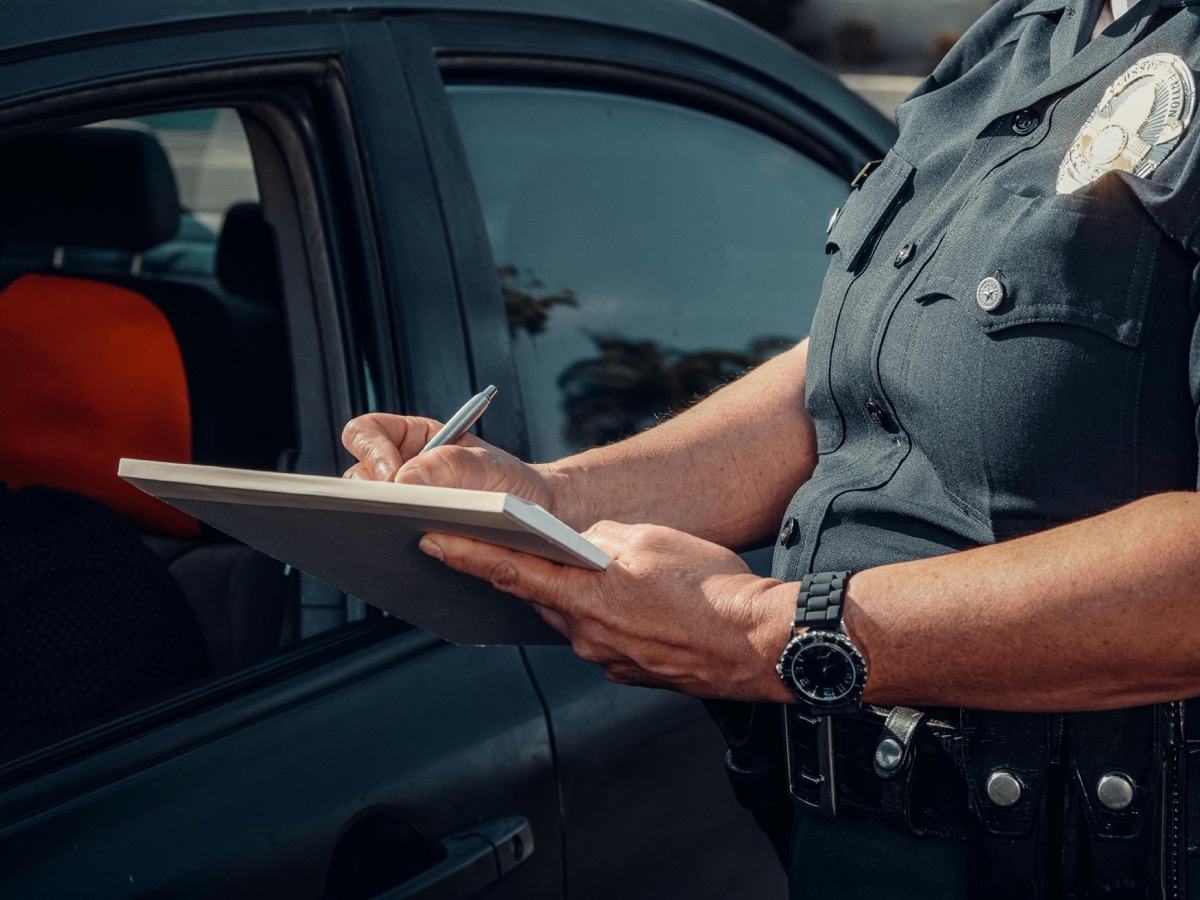
The Stop Is Often the First Defense Issue
If the traffic stop itself was unlawful, that can affect everything that followed. In many weapons cases, the key question is not simply where the firearm was found, but whether police had the right to get there legally in the first place.
Consent and Search Scope Matter
Many traffic-stop searches are justified by claimed consent, officer safety concerns, or other legal theories. Whether that justification actually holds up can be one of the most important issues in the case.
Possession Is Still a Real Question
If there were multiple occupants or if the firearm was found in a shared area of the vehicle, the state may still have to prove who actually possessed it. Proximity alone does not always answer that question cleanly.
The Stop, the Search, and the Possession Proof All Need Testing
A gun found during a traffic stop does not automatically equal a simple conviction. The stop, the search, and the possession proof all need to be tested carefully.
Gun found during a stop and not sure what matters most now?
These cases often turn on the legality of the stop, consent, search scope, and whether possession can actually be proven.