The drugs weren't mine. It is one of the most common things people say after a traffic stop turns into a drug arrest, and it is often true. Police found something in a car with more than one person in it, and now everyone is charged. In Florida, the law does not let the state convict someone of possession just because they were sitting nearby. Here is what actually has to be proven, and why a passenger case is often weaker than it first appears.
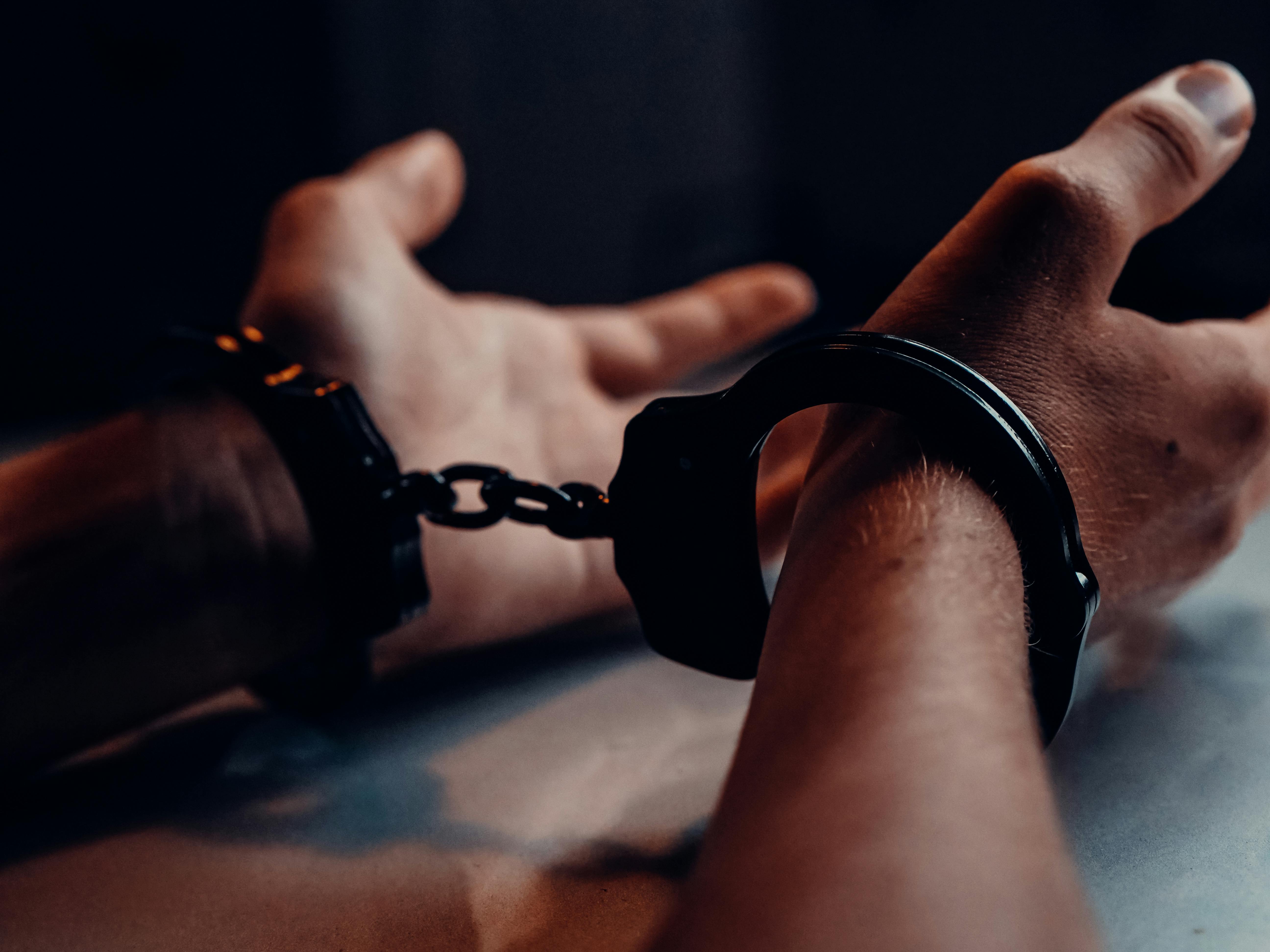
Being Arrested Is Not the Same as Being Convicted
Start with an important distinction. Police can arrest more than one person when drugs are found in a car. In the moment, officers often charge everyone and let the courts sort it out later. But an arrest is just the beginning. To actually convict someone of possession, the state has to prove specific things, and simply being a passenger in the car is not enough.
Two Kinds of Possession
Florida recognizes two ways to possess something. Actual possession means it was on your person, in your hand, in your pocket, physically on you. That is straightforward. The harder category is constructive possession, which is what almost every passenger case turns on.
Constructive possession means the drugs were not on you, but the state claims you still possessed them because you knew they were there and had the ability to control them. Both parts matter, and both have to be proven.
What the State Actually Has to Prove
To convict a passenger on constructive possession, the state generally has to establish two things:
- Knowledge. That you knew the drugs were present.
- Dominion and control. That you had the ability to exercise control over them.
Here is the part that helps passengers the most. When a car is occupied by more than one person, Florida courts have held that knowledge and control cannot be inferred from mere proximity alone. If the drugs were hidden, or belonged to someone else, or were somewhere you had no real control over, being nearby does not prove the case. The state needs something more, an admission, drugs in plain view right next to you, ownership of the container, or similar independent evidence.
Why Passenger Cases Are Often Weaker Than They Look
This is exactly why the initial arrest can look worse than the actual case. A police report that says everyone in the car was charged does not mean the evidence against each person is equal. The driver, the owner of the car, and someone with drugs in plain reach are in a very different position than a passenger who had no knowledge of what was tucked away somewhere in the vehicle.
When the state cannot connect a specific person to knowledge and control, a possession charge against that person can be vulnerable. And that is before considering whether the stop and search were even lawful, which is its own line of defense. We cover that in our article on whether an illegal search can get a drug case thrown out.
What to Do If You Were the Passenger
If drugs were found in a car and you are charged even though they were not yours and not on you, resist the urge to explain everything to police. What feels like clearing your name can hand the state the knowledge element it was missing. Say little, and have the facts reviewed by someone who understands what constructive possession really requires. The gap between an arrest and a provable case is often where these situations are resolved. This article is general information about Florida law and is not advice about your specific case.
Charged after drugs were found in a car?
If the drugs were not yours and not on you, the state's case may rest on assumptions the law does not allow. Those cases are worth challenging.