This is one of the most common weapons questions in Florida, and it is also one people often oversimplify. The answer depends on the legal rules in effect, how the firearm was being carried or stored, and the specific facts that led to the police encounter in the first place.
Why This Issue Is So Common
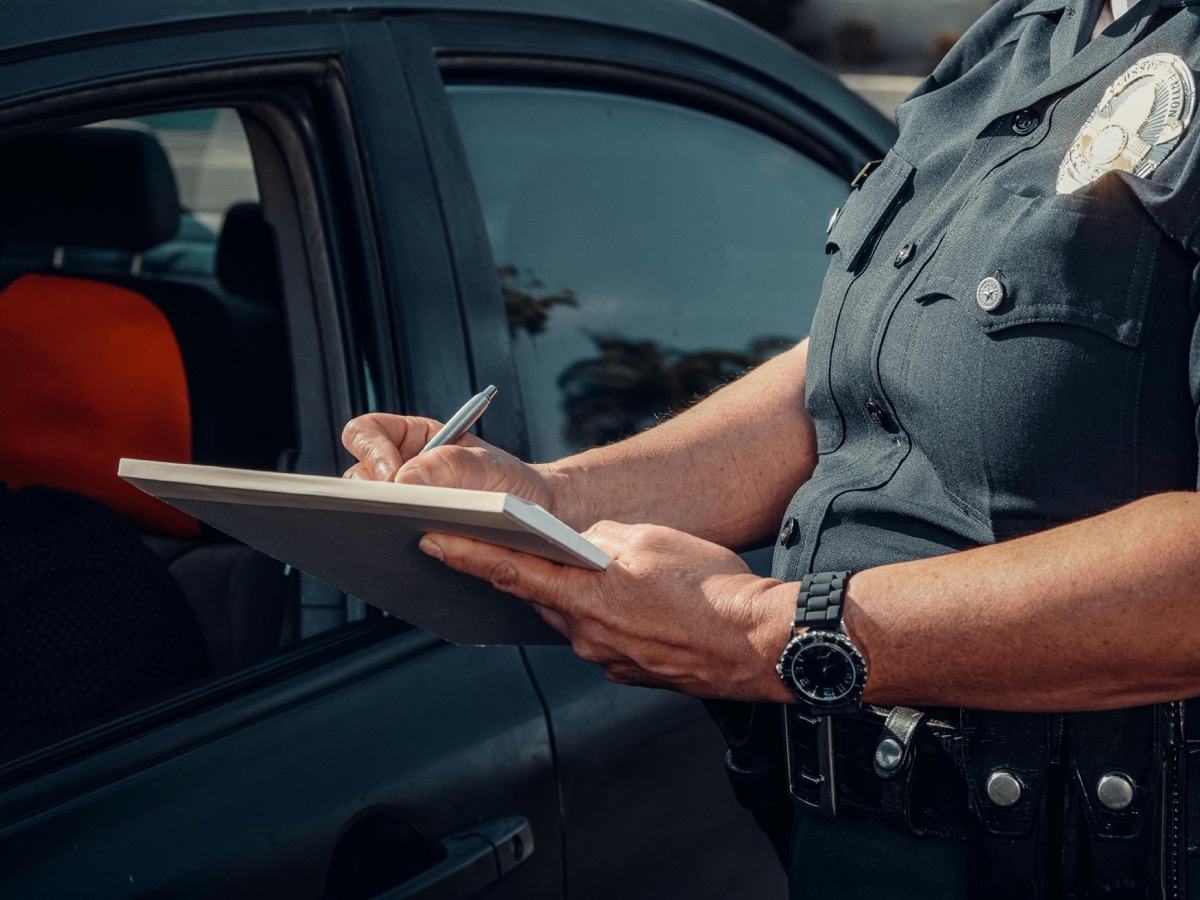
Many people who would never carry a weapon on their person still keep a firearm in a vehicle. Problems often arise after a traffic stop, accident, or search when officers claim the firearm was being carried or stored in a way that violates the law.
Car Carry Cases Are Often Very Fact-Specific
The precise location of the firearm, whether it was secured, whether it was readily accessible, and what the driver knew can all matter. Small factual differences can change how the situation is viewed.
The Search Still Matters Too
Even if there is a dispute about how the firearm was stored, the defense may still need to examine whether police lawfully reached the point of discovering it. Weapons cases often overlap with search-and-seizure issues in a meaningful way.
What Usually Needs Review
- Exactly where and how the firearm was stored
- What prompted the stop or police contact
- Whether the search or consent was lawful
- Whether the charge matches the facts
Storage, Access, and Discovery Details Drive the Legal Analysis
Car-carry firearm cases are rarely just about “gun in vehicle equals charge.” The legal analysis usually depends on details that deserve much closer review than the citation or arrest report alone suggests.
Stopped with a firearm in the car and not sure whether it was legal?
Car-carry cases often turn on storage, access, and how the firearm was discovered during the stop.