Calling 911 first does not decide who police will arrest. In a Florida domestic violence investigation, officers evaluate each person's account and try to identify the primary aggressor. The caller can be arrested if officers believe there is probable cause that the caller committed a crime—even when the caller expected police to remove or calm down the other person.
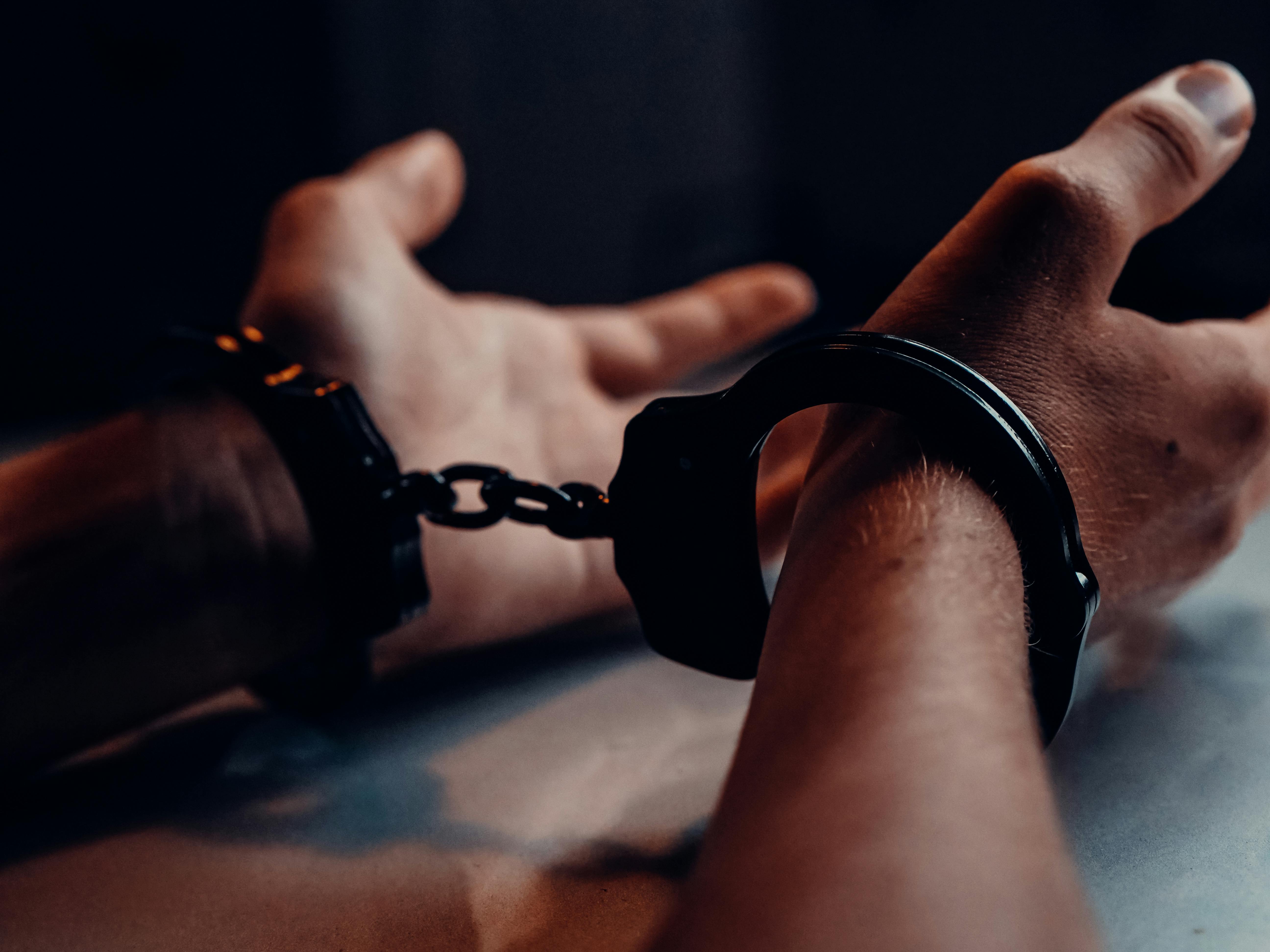
Why Calling 911 Does Not Protect You From Arrest
Police do not decide who is the victim solely by asking who placed the call. Florida law directs officers to evaluate each complaint separately. If officers believe they have probable cause that the caller committed battery, assault, false imprisonment, criminal mischief, or another offense connected to the domestic incident, they may arrest the caller.
This often feels backwards to the person who asked for help. But the legal question at the scene is not who dialed first. It is what the officers believe happened after hearing the accounts and examining the available evidence.
How Police Choose the “Primary Aggressor”
When both people accuse each other, Florida law says officers must try to determine the primary aggressor. Arrest is the preferred response for the primary aggressor—not for someone who acted reasonably to protect themselves or another household member. Officers may compare injuries, relative size and strength, threats, witness accounts, prior incidents, damaged property, the 911 call, and statements made at the scene.
That decision is made quickly and with incomplete information. A person who is upset, intoxicated, injured, less articulate, or willing to admit part of the physical contact may be viewed differently from a person who appears calm and gives a simple narrative. The initial arrest decision is important, but it is not a verdict.
Common Ways the Caller Ends Up Arrested
- The caller admits pushing, grabbing, slapping, blocking a doorway, or taking a phone
- The other person has the more visible injury
- Body-camera footage appears inconsistent with the caller's first description
- A witness or child gives a different account
- Messages or prior calls change how officers understand the argument
- Officers believe the caller continued using force after any immediate danger ended
What If You Were Defending Yourself?
Self-defense can apply in a domestic violence case. The defense may examine who initiated physical contact, whether force was reasonably necessary, whether the force used was proportionate, whether the other person blocked an exit or continued advancing, and whether injuries are consistent with the accounts. Calling 911 can support the timeline, but it does not prove self-defense by itself.
What Evidence Should Be Preserved Immediately?
- The complete 911 recording and dispatch history
- Body-camera and patrol-car video from every responding officer
- Photographs of injuries taken over several days as bruising develops
- Doorbell, security, phone, or vehicle video
- The complete message thread—not selected screenshots
- Names of neighbors, relatives, or other witnesses
- Medical records and photographs of damaged property
What If the Other Person Now Says They Do Not Want Charges?
Their position may matter, but it does not automatically end the case. The prosecutor—not the alleged victim—decides whether to file or continue charges. The state may rely on the 911 recording, body-camera video, injuries, photographs, witnesses, and statements even if the other person later changes their mind. Our guide to domestic violence cases when the alleged victim does not want to prosecute explains that process in more detail.
Do Not Contact the Other Person if the Court Prohibited It
A no-contact condition remains enforceable even if the other person calls, texts, apologizes, or asks you to come home. Responding can lead to a new arrest and can be characterized as witness influence. Do not use friends, relatives, children, or social media to communicate indirectly. A request to modify contact must go through the court.
What to Do After You Are Released
- Read and follow every release condition exactly
- Do not post your version online or send it to the alleged victim
- Write a private, detailed timeline for your lawyer
- Preserve your phone, messages, photographs, and location data
- Identify evidence quickly before video is overwritten
- Have counsel review the first-appearance order and charging status
How a Defense Lawyer Can Help
Early defense work can secure recordings, identify contradictions, document injuries the arresting officer overlooked, present lawful defense evidence to the prosecutor, and address no-contact conditions. Depending on the facts, the case may be declined, dismissed, reduced, diverted, negotiated, or tried. No result is automatic, but the first police narrative does not have to be the last word.
Frequently Asked Questions
Can police arrest me even though I called 911?
Yes. Calling first does not determine who is arrested. Officers evaluate each complaint and may arrest the caller if they believe probable cause exists.
Do police have to arrest someone on every Florida domestic violence call?
No. Florida law permits an arrest based on probable cause and requires a written report even when no arrest is made. When both parties complain, officers must try to identify the primary aggressor.
Can both people be arrested?
It is possible, but Florida law makes arrest the preferred response for the primary aggressor rather than for both parties. An officer who arrests two or more people must document the grounds.
What if my spouse or partner does not want to prosecute?
The prosecutor controls the criminal case. The other person's wishes can matter, but they do not automatically dismiss the charge.
Can I go home if my spouse says it is okay?
Not if a no-contact or stay-away order prohibits it. Only the court can change that condition. Follow the written order until a judge modifies it.
What is the most important evidence when the caller was arrested?
The complete 911 call, dispatch record, body-camera footage, injury photographs, messages, witness accounts, and the timeline leading to the call are often especially important.
You called for help, but you were the one arrested.
The 911 recording, body-camera footage, injuries, messages, and full sequence should be preserved and reviewed quickly.
Last reviewed: September 27, 2026