Many people are surprised to learn that in Florida you can be arrested based largely on another person's accusation, even without video or physical evidence. A statement police find credible can supply probable cause. That does not mean the case is strong or that you have no defense, but it does mean the situation should be taken seriously from the start.
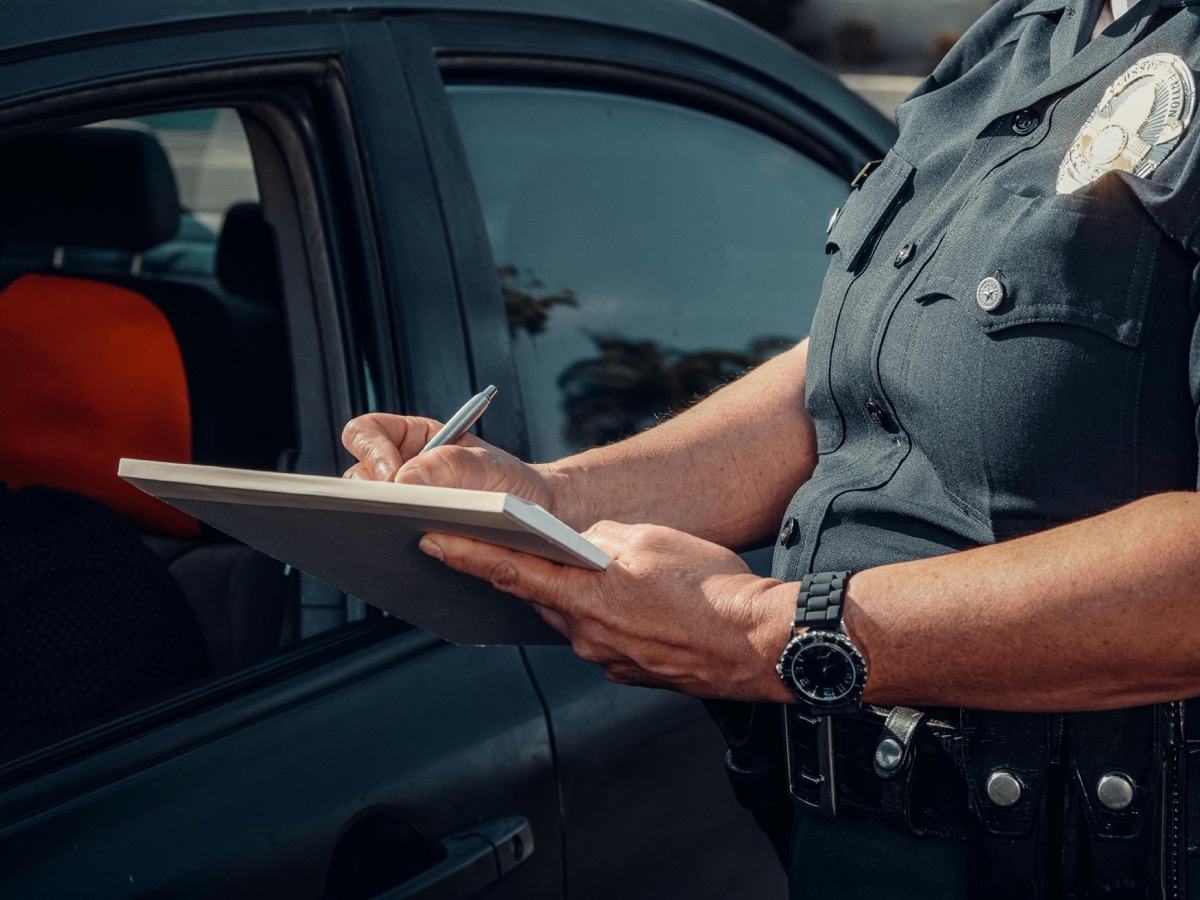
An Accusation Alone Can Be Enough for an Arrest
In Florida, a person’s statement to police is evidence. If an alleged victim or witness gives an account officers find credible, that account can supply the probable cause needed for an arrest, even if there is no video, photographs, or physical proof. This surprises many people, but it is an important reality: the absence of “hard” evidence does not mean you cannot be arrested or charged.
Probable Cause Is Not Proof Beyond a Reasonable Doubt
An arrest requires only probable cause, a much lower standard than the proof beyond a reasonable doubt needed for a conviction. An arrest based on an accusation is the beginning of the process, not the end. The state still has to prove the case, and an accusation that sounds credible at first can be tested, challenged, and contradicted as the case develops.
Corroborating Evidence Matters
Prosecutors and defense attorneys both look closely at whether an accusation is corroborated. Independent evidence, such as messages, call records, medical records, other witnesses, timelines, and location data, can either support or undercut what the accuser says. A large part of a defense is often examining whether the surrounding evidence actually fits the accusation.
Conflicting Statements
Accounts can change over time. An accuser may give different versions to different people, or a story may not line up with other known facts. Inconsistencies do not automatically end a case, but they can be significant, which is one reason a careful review of everything said and documented is important.
Photographs, Messages, Video, and Witnesses
Evidence that helps you can disappear quickly. Text messages get deleted, video is overwritten, and witnesses become harder to reach. Preserving favorable evidence early, without altering or destroying anything, can make a real difference later. An attorney can help identify what to preserve and how.
Why Contacting the Accuser Can Be Dangerous
It is natural to want to reach out to the accuser to “clear things up,” but this is often a serious mistake. Depending on the situation, contact can lead to new charges, violate a no-contact order, or be used to argue witness tampering. If there is any restriction on contact, follow it, and let your attorney handle communication.
Preserving Favorable Evidence
Save what supports your account, but do not selectively delete anything, because deletion can be treated as destroying evidence. Keep messages, photos, receipts, and anything that establishes where you were or what happened, and share it with your attorney rather than posting it publicly or sending it to others.
What to Do Before Police Questioning
If police want to talk to you about an accusation, get legal advice first. Trying to explain your side without preparation can give the state statements to use against you, even when you are innocent. A calm “I want to speak to a lawyer first” protects you while a defense is developed. Being accused is not the same as being guilty, but how you respond in the early stages can shape the entire case.
Frequently Asked Questions
Can I be arrested just because someone accused me?
Yes. In Florida a credible statement to police can supply the probable cause needed for an arrest, even without video or physical evidence. It does not mean the case is strong, but it does mean you should take it seriously.
Isn't an accusation not enough without physical evidence?
Not true as a legal matter. Testimony is evidence, and a credible accusation can be enough for an arrest and even a charge. Do not assume you are safe simply because there is no video or physical proof.
What is probable cause?
Probable cause is the relatively low standard needed to arrest, far below the proof beyond a reasonable doubt required to convict. An arrest based on an accusation is the start of the process, not proof of guilt.
Does it help if the accuser's story changes?
Inconsistencies can be significant, but they do not automatically end a case. They are one reason a careful review of every statement, message, and record matters, and are best handled by an attorney rather than argued directly with the accuser.
Should I contact the person who accused me?
Usually no. Contact can lead to new charges, violate a no-contact order, or be used to allege witness tampering. Follow any contact restriction and let your attorney handle communication.
What evidence should I preserve?
Keep messages, photos, call records, receipts, and anything showing where you were or what happened. Do not selectively delete anything, since deletion can be treated as destroying evidence. Share it with your attorney rather than posting it.
Should I explain my side to the police?
Get legal advice first. Explaining without preparation can give the state statements to use against you even if you are innocent. You can say you want to speak to a lawyer first while a defense is developed.
Accused of something you did not do?
Do not try to talk your way out of it alone. A criminal-defense attorney can help before you speak with police.